


Prostatitis is a disease associated with inflammation of the prostate.It can occur in men of any age and can be chronic or acute in nature.Diagnosis is problematic, so when prostatitis is in its advanced stages and conventional treatments fail to help, patients often seek help from their doctors.The danger is a high likelihood of prostate cancer and complete infertility.
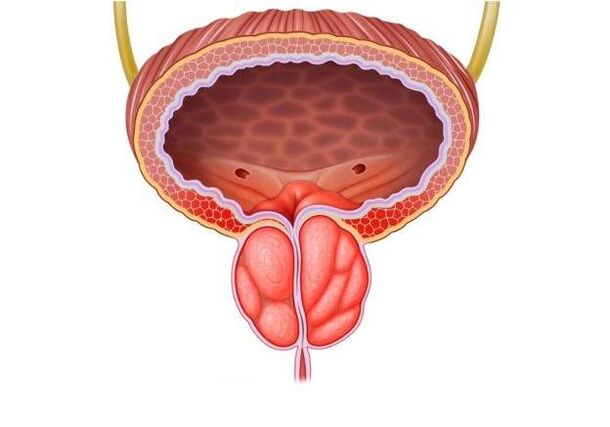
If prostatitis is diagnosed in time, treatment only takes 2 weeks, after which the man only needs to follow the doctor's advice and have regular follow-up examinations.In this case, no complications follow the inflammation of the prostate - even with acute symptoms of prostatitis, reproductive capacity is fully preserved.
Prostatitis does not occur in a vacuum.The inflammatory process occurs due to purulent microorganisms such as Escherichia coli, Mycoplasma, Streptococcus, Staphylococcus, Trichomonas and other bacteria.They are characterized by very rapid reproduction and rapid destruction of prostate tissue.The main causes of this disease are:
- Any inflammatory disease of the urinary system - cystitis, pyelonephritis, urethritis;
- Chronic bowel disorders - especially constipation, where men need to strain, and prostatitis, which is the organ's response to stress;
- Infections from distant lesions - severe forms of tonsillitis, pneumonia, influenza, when prostatitis is directly related to the penetration of infectious agents into glandular tissue;
- Frequent episodes of hypothermia or conversely hyperthermia may be associated with characteristics of work activities;
- Lack of regular sexual activity and physical activity - prostatitis can cause stagnation of prostate tissue secretions, which is usually the cause of prostatitis in men over 40 years old;
- Decreased immunity due to severe hormonal imbalance;
- Sexually transmitted infections - gonorrhea, trichomoniasis, chlamydia;
- Frequent urinary retention – an enlarged bladder puts tremendous pressure on the prostate;
- Injury to the pelvic area.
Most often, prostatitis occurs after an infection penetrates the prostate tissue through the urethra and rarely through the blood or lymphatic system.There is a very important predisposing factor for prostatitis - a general weakening of the immune system, if this occurs as a reaction of the body to stress, constant fatigue, neurasthenia, emotional outbursts.
Men should have regular sex and an active lifestyle.Otherwise, secretory stagnation occurs in the prostate tissue, which is an ideal environment for the proliferation of pathogenic microorganisms - prostatitis can rapidly develop.Prostate cells are inevitably starved of oxygen, which only increases the chance of prostatitis spreading beyond the organ—the inflammation can also affect nearby organs.
Types and course characteristics of male prostatitis
Depending on the cause, prostatitis can be divided into the following types:
- Bacterial prostatitis - begins against the background of penetration of infection into the prostate tissue; the diagnosis of this type of prostatitis usually occurs in young and older men;
- Congestive prostatitis - caused by men's sedentary lifestyle, lack of regular sex life and pelvic injuries, often accompanied by infection, and then becomes mixed prostatitis;
- Calculous prostatitis - occurs due to untreated chronic disease; this type of prostatitis is more common in older men.
Depending on the form in which it occurs, prostatitis is divided into acute and chronic.The acute form of the disease is rarely diagnosed; treatment can only be given in a hospital because the symptoms of prostatitis are severe.Chronic prostatitis is characterized by "slow" clinical manifestations, periodic remissions, no specific symptoms at all, and rapid transformation into serious problems - healthy prostate cells degenerate into malignant cells, secretions stop producing, and sperm secretion decreases.
Symptoms and diagnosis of prostate inflammation
Symptoms depend directly on the type of prostatitis that begins in the prostate tissue:
- Bacterial prostatitis - high body temperature, presence of blood or pus in the urine, problems with urination (thin, "dripping" urine stream), acute pain in the perineum, poor general health;
- Calculous prostatitis - weak or complete erection, blood in the urine, symptoms of prostatitis more common in men aged 50 and above;
- Congestive prostatitis - discomfort in the perineum and testicles, partial or complete absence of erection, improper urination.
Chronic prostatitis is characterized by "vague" clinical presentation.All symptoms are not present and may be periodically disturbing.But if men experience symptoms such as groin and testicular pain, increased body temperature, and decreased sexual desire within 2-3 months, it means that you need to see a doctor to diagnose "chronic prostatitis" and receive treatment.It's worth knowing the following nuances:
- Symptoms of prostatitis in a 50-year-old man are weak erection and heaviness in the groin, but there may be no pain at all;
- The symptoms of prostatitis in a 30-year-old man are always severe, and the first sign is obstruction of urination: the enlarged prostate puts pressure on the bladder, making it impossible for men to go to the toilet at all;
- Men who are 60 years old may not experience prostatitis symptoms - at this age, prostatitis is often chronic, but the complete lack of erections can be disturbing.
Doctors can prescribe effective treatment only after diagnosing the disease - prostatitis often has symptoms of other diseases of the genitourinary system.Therefore, patient complaints alone are not sufficient to make a diagnosis; the rules are as follows:
- Rectal examination;
- Laboratory tests of prostate secretions;
- Analysis to identify/exclude sexually transmitted infections;
- Prostate ultrasound;
- Computed tomography of organs.
Ultrasound examination of the pelvic organs and scrotum may be used as an additional test.It may be necessary to call in a specialist to rule out or confirm concomitant diseases.
Treatment - general principles, duration of treatment
The symptoms of male prostatitis are directly related to treatment, because during treatment, doctors must first relieve the patient's general condition.Men often experience severe pain, which means treatment should begin with painkillers.How to treat prostatitis is decided by a urologist or andrologist, who usually prescribes the following medications:
- NSAIDs and diuretics - prostatitis manifests itself as an invasion of the urinary process;
- Antispasmodics and muscle relaxants - prostatitis is accompanied by severe pain in the groin;
- Supports prostate function and alpha-blocker.
Does weak erection caused by prostatitis need treatment?Yes, for such complaints, doctors prescribe specific medications to improve the blood supply to the reproductive organs and remove waste products and toxins from the blood vessels of the prostate.If a 40-year-old man notices symptoms of prostatitis, no additional medications are needed to restore an erection - once the inflammatory process stops, all sexual abilities will be restored.But if the cause of prostatitis in a 30-year-old man is a sexually transmitted disease (sexually transmitted infection), then in order to resume sexual activity, additional treatment of the identified infection will be needed.
The best treatment is a combination of treatments, so in order to stop prostatitis as quickly as possible, you need to follow some of your doctor's recommendations:
- Drink at least 2 liters of fluid per day - prostatitis is characterized by stagnation of secretions that need to be quickly cleared from the tissues to relieve the load on the organ and reduce its swelling;
- Adhere to bed rest - treatment cannot be combined with physical activity, as this will irritate the organs and prostatitis will only progress, making treatment long and ineffective;
- Eliminate spicy, sour, fatty foods, alcohol from the diet - these are also irritants and will only aggravate prostatitis.
Once the symptoms of the disease become less noticeable, sexual activity needs to be resumed.Prostatitis will heal faster if you ensure that the prostate drains regularly and does not allow even a slight stagnation of secretions in its tissues.
If medical treatment does not yield positive results and prostatitis takes a chronic form and often recurs, then this is a reason to undergo surgical intervention.This operation can be of two types:
- Transurethral resection – the surgeon removes prostate tissue affected by prostatitis;
- Prostatectomy - Prostatitis poses a real danger to a man's life, so his prostate and seminal vesicles, along with their adjacent tissues, are completely removed.
Do not have surgery at a young age, as this may lead to complete infertility - prostatitis can be treated therapeutically, including physical therapy in addition to medications.The length of treatment for prostatitis depends on the stage and form of the disease and the degree of neglect.Treatment usually lasts 2 weeks, but this number is very average.
Prostatitis can be completely cured, but the important thing is to seek medical treatment promptly.Treatment should be prescribed individually; traditional methods do nothing to stop prostatitis and can accelerate complications.